

For engineers, analysts, and test professionals working with measurement data, choosing the right analysis platform can make a significant difference to productivity, reporting speed, and insight quality. FlexPro has long been recognised as a powerful solution for signal processing, data visualisation, and technical reporting.
With the release of FlexPro 2025, Weisang has introduced several valuable enhancements over FlexPro 2021 — especially for users who want modern scripting tools, deeper analytics, and more efficient workflows.
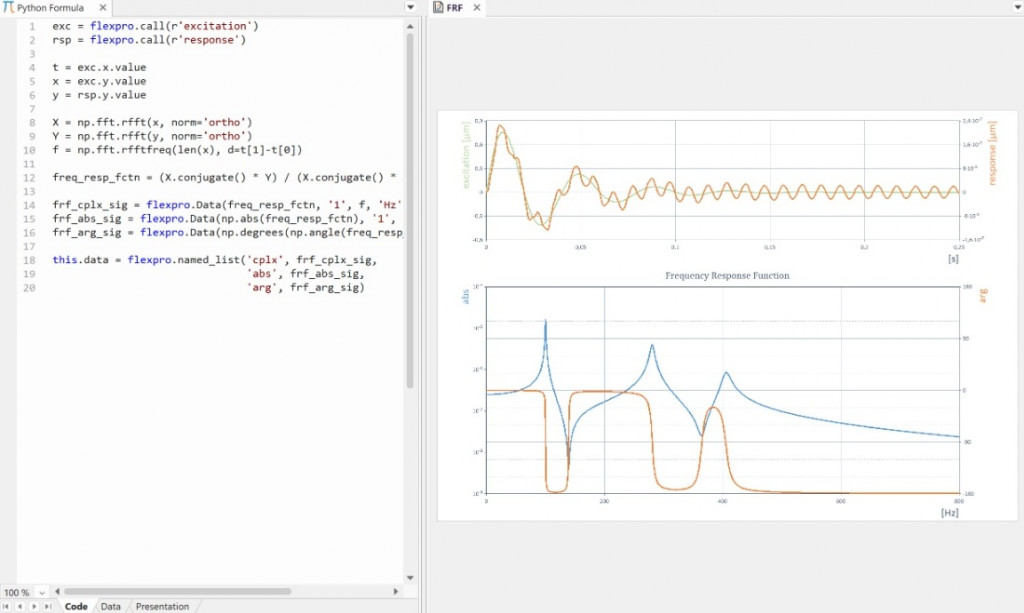
One of the most important additions in FlexPro 2025 is Python integration.
Users can now:
Create Python formulas directly inside FlexPro
Use Python functions alongside FPScript formulas
Access installed Python modules without restrictions
Reuse existing Python scripts within FlexPro workflows
This opens the door to advanced machine learning, custom automation, specialist libraries, and seamless integration with existing Python-based engineering environments.
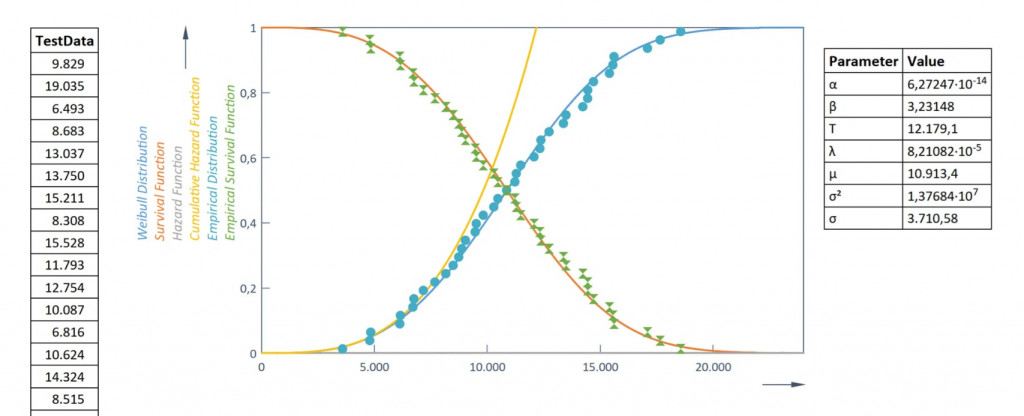
FlexPro 2025 adds new analysis objects for:
Precise lifetime prediction
Empirical distribution functions
These tools are especially useful in product durability studies, quality control, reliability engineering, and statistical modelling. While FlexPro 2021 already offered strong statistics capabilities, 2025 extends the platform into more advanced predictive analysis.
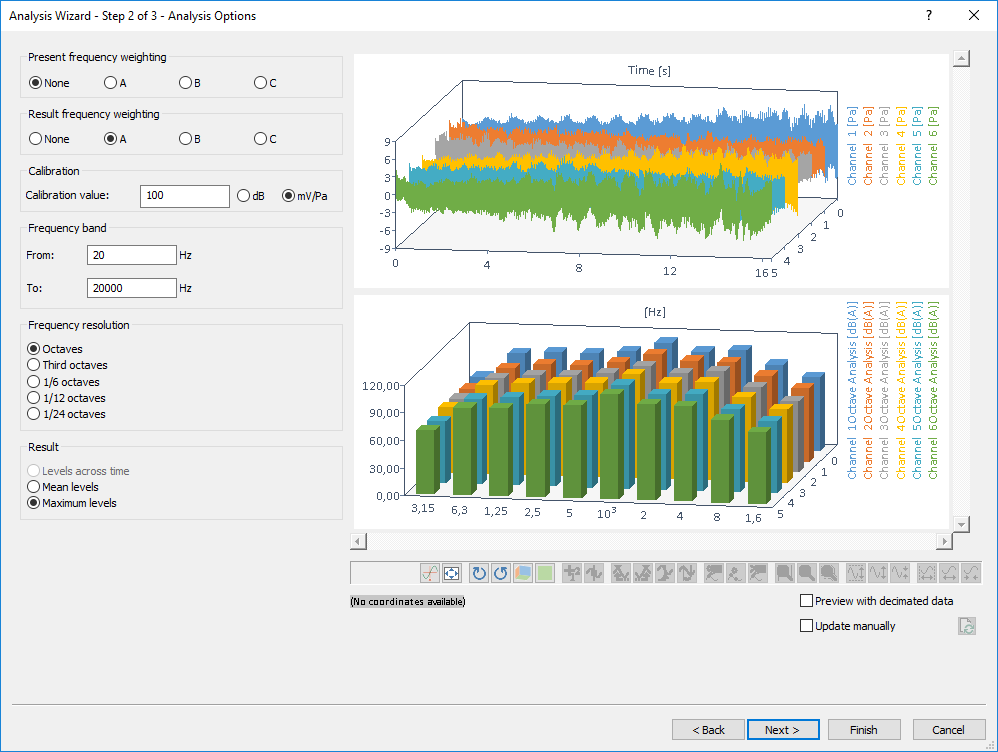
If you work with sound and vibration data, FlexPro 2025 introduces extended acoustics functions.
This strengthens its usefulness for:
NVH testing
Product noise analysis
Environmental acoustics
Machinery sound diagnostics
FlexPro 2021 already included acoustic options, but 2025 expands the available methods for more demanding applications.
For users creating formulas, templates, or automated workflows, FlexPro 2025 includes an improved debugger.
This helps reduce time spent troubleshooting scripts and analysis logic, particularly valuable for advanced users building repeatable internal toolchains.
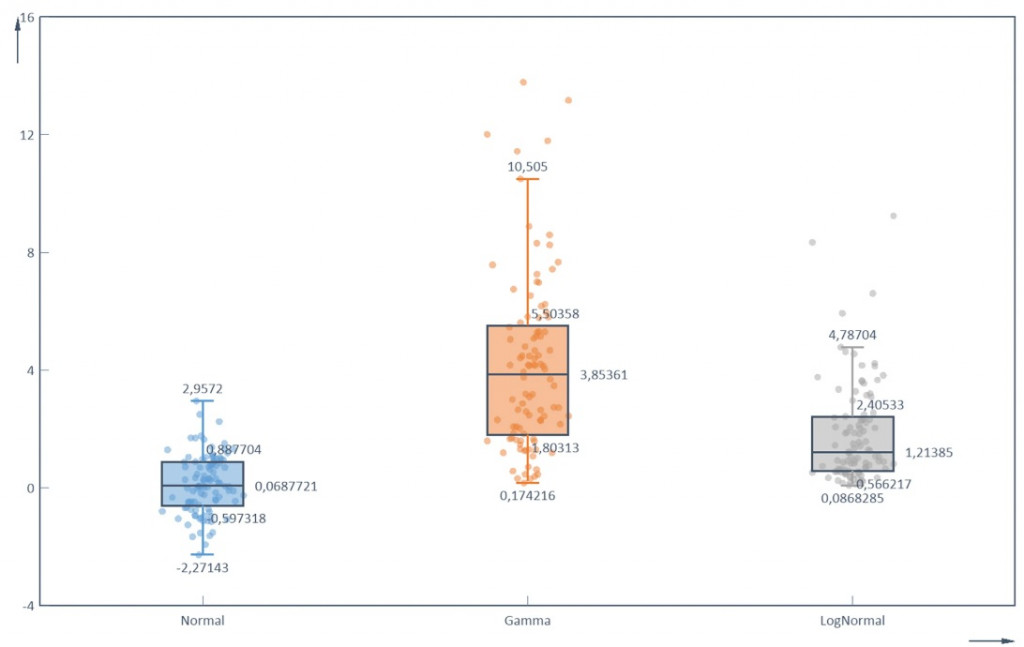
FlexPro 2025 introduces a box plot diagram type, making it easier to visualise:
Spread of data
Outliers
Median values
Statistical variation between datasets
For QA teams and analysts comparing multiple test groups, this is a practical addition.
Both versions continue to offer the core strengths that made FlexPro popular:
Fast handling of large data volumes
Multi-core CPU performance
Broad file import support
Powerful charting and reporting
Reusable templates
Signal processing and engineering analysis tools
FlexPro 2025 represents a meaningful step forward rather than a minor version refresh. It combines the proven engineering analysis power of earlier editions with modern scripting flexibility and stronger statistical tools.
For organisations handling growing volumes of test data, more complex workflows, or integrated analysis environments, upgrading from FlexPro 2021 to FlexPro 2025 could deliver immediate efficiency gains.
To learn more about FlexPro 2025 software options, view the FlexPro 2025 Product Page.